Bio Co-Scientist
Omics Analysis
Faster, Smarter Research
AI optimized for omics data automates complex analysis workflows, delivering fast, accurate results — no specialized analytics expertise required.
Compare and integrate multiple analysis results side by side, and uncover insights that individual analyses alone can't reveal.
Your AI Research Partner
Freely explore a wide range of analyses with no added cost, and track your research progress and key insights at a glance.
Once analysis is complete, reports, methods sections, and presentation materials are generated automatically — making it easier to prepare your publications and presentations.
AI optimized for omics data automates complex analysis workflows, delivering fast, accurate results
— no specialized analytics expertise required.
Compare and integrate multiple analysis results side by side, and uncover insights that individual analyses alone can't reveal.
Faster, Smarter Research
Freely explore a wide range of analyses with no added cost, and track your research progress and key insights at a glance.
Once analysis is complete, reports, methods sections, and presentation materials are generated automatically
— making it easier to prepare your publications and presentations.
Your AI Research Partner
Bio Co-Scientist
Omics Analysis
Omics Analysis
AI optimized for omics data automates complex analysis workflows, delivering fast, accurate results
— no specialized analytics expertise required.
Start your research with one line of chat.
All core omics analyses.
One platform.
All core omics analyses.
One platform.
Genomics
Variant Interpretation & DB Matching
ClinVar · dbSNP · gnomAD · COSMIC · cBioPortal · DepMap
GWAS & Mendelian Randomization
plink2 · gcta · MendelianRandomization · Bayesian fine mapping (PyMC) — ≤ 10K samples × ≤ 1M variants
Small-scale reference alignment
bwa · bowtie2 · samtools — bacteria, exon panel, single chromosome
Public genomic database
Ensembl · UCSC · gget · Monarch · Mouse Phenome
Transcriptomics
Epigenomics
Proteomics
Metabolomics
Microbiomics
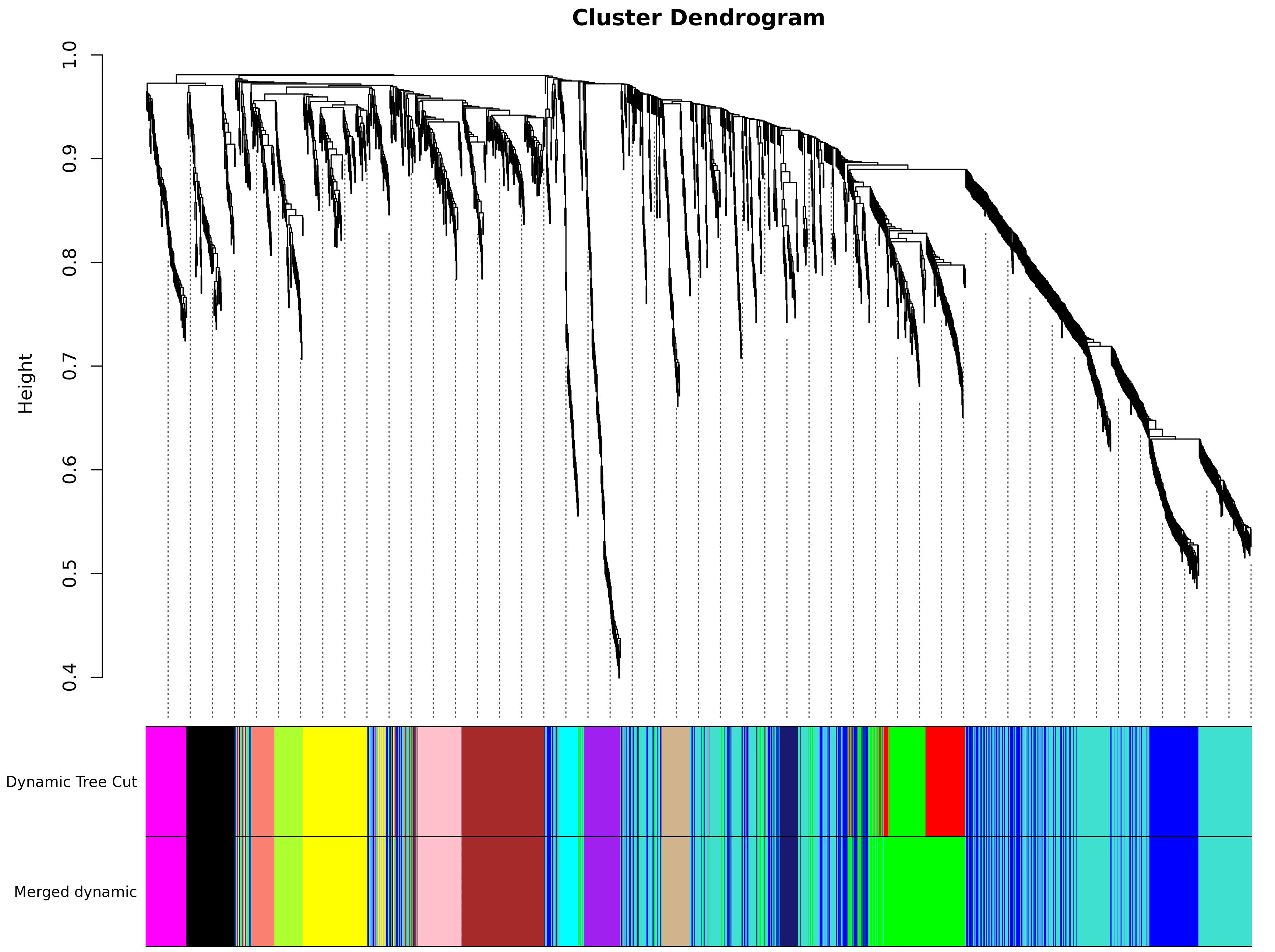
WGCNA Gene Network Analysis
This project utilized WGCNA to identify 14 co-expression modules within a mouse liver dataset. Among these, the blue module exhibited a significant positive correlation with cholesterol levels, suggesting a coordinated regulatory role.
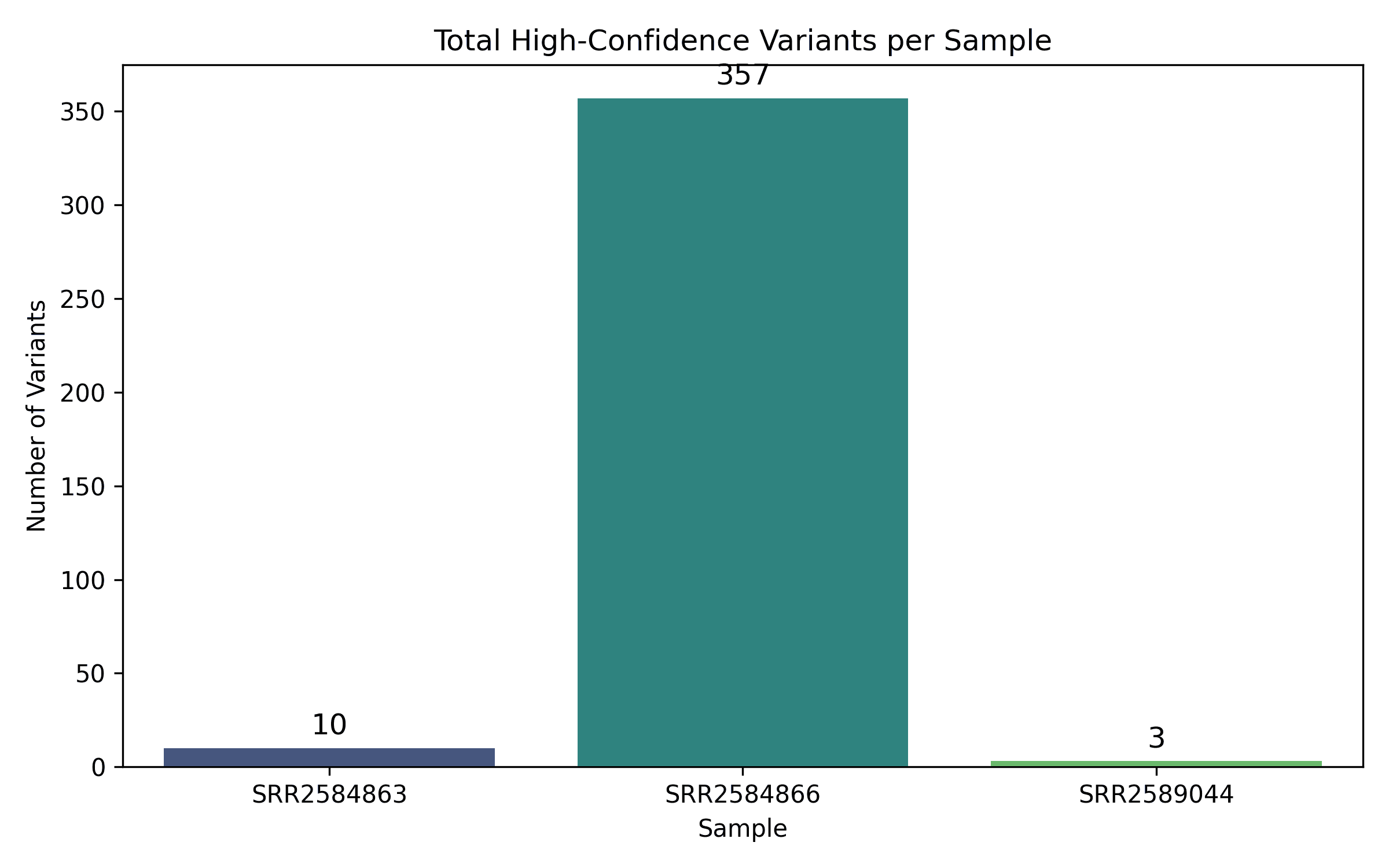
FASTQ-to-Variant Calling: Hypermutator Emergence and Parallel pykF Adaptation in E. coli Ara-3
This project investigates whether short-read sequencing of three evolved E.
coli Ara-3 lineages can identify the genetic basis of divergent mutation rates.
From raw FASTQ reads, a reproducible pipeline (QC, alignment, haploid calling, filtering, annotation) compares mutation burden across lineages.
It tests whether one lineage has become a hypermutator, shown by a large, largely unique variant burden co-occurring with mismatch-repair mutations (mutS, mutL), and whether lineages share adaptive pykF mutations reflecting convergent selection.
Genomics
Variant Interpretation & DB Matching
ClinVar · dbSNP · gnomAD · COSMIC · cBioPortal · DepMap
GWAS & Mendelian Randomization
plink2 · gcta · MendelianRandomization · Bayesian fine mapping (PyMC) — ≤ 10K samples × ≤ 1M variants
Small-scale reference alignment
bwa · bowtie2 · samtools — bacteria, exon panel, single chromosome
Public genomic database
Ensembl · UCSC · gget · Monarch · Mouse Phenome
Transcriptomics
Epigenomics
Proteomics
Metabolomics
Microbiomics
WGCNA Gene Network Analysis
This project utilized WGCNA to identify 14 co-expression modules within a mouse liver dataset. Among these, the blue module exhibited a significant positive correlation with cholesterol levels, suggesting a coordinated regulatory role.
FASTQ-to-Variant Calling: Hypermutator Emergence and Parallel pykF Adaptation in E. coli Ara-3
This project investigates whether short-read sequencing of three evolved E.
coli Ara-3 lineages can identify the genetic basis of divergent mutation rates.
From raw FASTQ reads, a reproducible pipeline (QC, alignment, haploid calling, filtering, annotation) compares mutation burden across lineages.
It tests whether one lineage has become a hypermutator, shown by a large, largely unique variant burden co-occurring with mismatch-repair mutations (mutS, mutL), and whether lineages share adaptive pykF mutations reflecting convergent selection.
We’ve got the answers
We’ve got the answers
Can I run analyses without any coding experience?
Yes — no coding required.
You don’t need to know Linux, R, or Python.
Simply upload your data through the web interface and request analysis strategies via AI chat.
From execution to interpretation, the entire process is handled automatically.
How is this different from ChatGPT or Gemini?
Will my data be used to train AI models?
Who owns the figures generated on this platform?
How is customer data protected?
Ready to revolutionize
Your drug discovery process?
Sign up with your email and start using HyperLab right now
—
AI drug discovery Platform

HITS Inc.
CEO : Woo Youn Kim
Address : 8F, 28, Teheran-ro 4-gil, Gangnam-gu, Seoul, Republic of Korea
© HITS Inc. All rights reserved.
Ready to revolutionize
Your drug discovery process?
Sign up with your email and start using HyperLab right now
HITS Inc.
CEO : Woo Youn Kim
Address : 8F, 28, Teheran-ro 4-gil, Gangnam-gu,
Seoul, Republic of Korea
© HITS Inc. All rights reserved.
Ready to revolutionize
Your drug discovery process?
Sign up with your email and start using HyperLab right now
—
AI drug discovery Platform
Small Molecule Discovery
Publications
HITS Inc.
CEO : Woo Youn Kim
Address : 8F, 28, Teheran-ro 4-gil, Gangnam-gu, Seoul, Republic of Korea
© HITS Inc. All rights reserved.